K–12 · The Great Books
The Curriculum
Grammar · Logic · Rhetoric — the Trivium that has formed the Western mind since the universities of medieval Europe.
The Classical Method
The Trivium
The classical curriculum is built on a medieval insight: that learning follows a natural developmental arc through three stages. Grammar, Logic, and Rhetoric — the Trivium — are not three separate subjects but three modes of engaging the same body of knowledge at increasing depth.
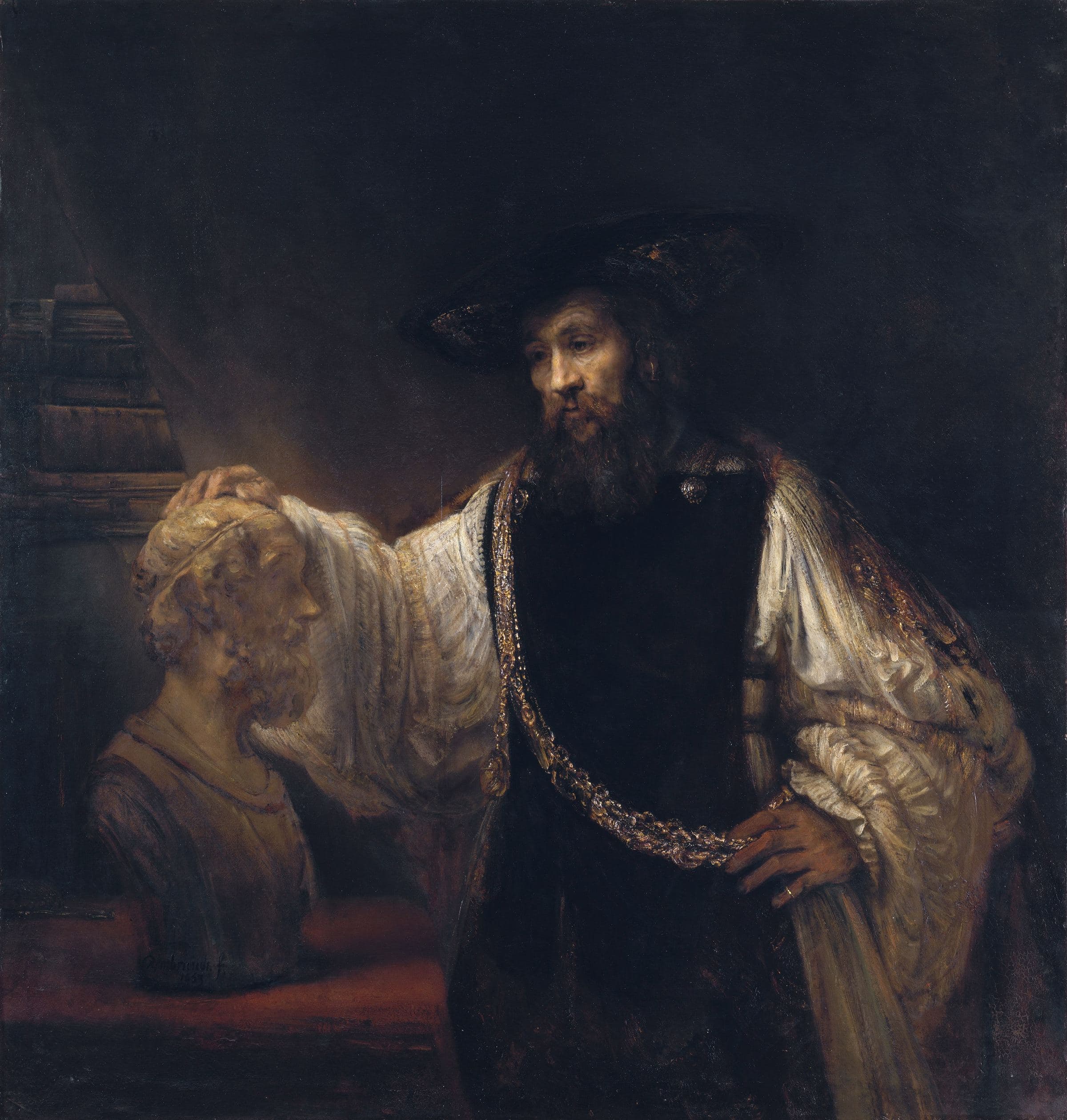
Rembrandt · Aristotle with a Bust of Homer, 1653 · Metropolitan Museum of Art
Grammar
Grammatica · Grades K–6
The first stage of the classical method: absorbing the foundational facts, vocabulary, and stories of each discipline. Students memorize and recite; the mind is stocked with the raw material of thought. This is not drill for its own sake — it is the preparation for argument.
Logic
Dialectica · Grades 7–9
The second stage: students learn to question what they have absorbed. Formal logic, Socratic dialogue, and dialectical disputation train the mind to test claims, identify fallacies, and construct valid arguments. The grammar student accumulates; the logic student interrogates.
Rhetoric
Rhetorica · Grades 10–12
The culminating stage: students learn to communicate well-formed arguments with force and beauty. Rhetoric is not mere decoration of thought — it is the discipline of making true things persuasive. Great Hearts graduates can write, speak, and deliberate.
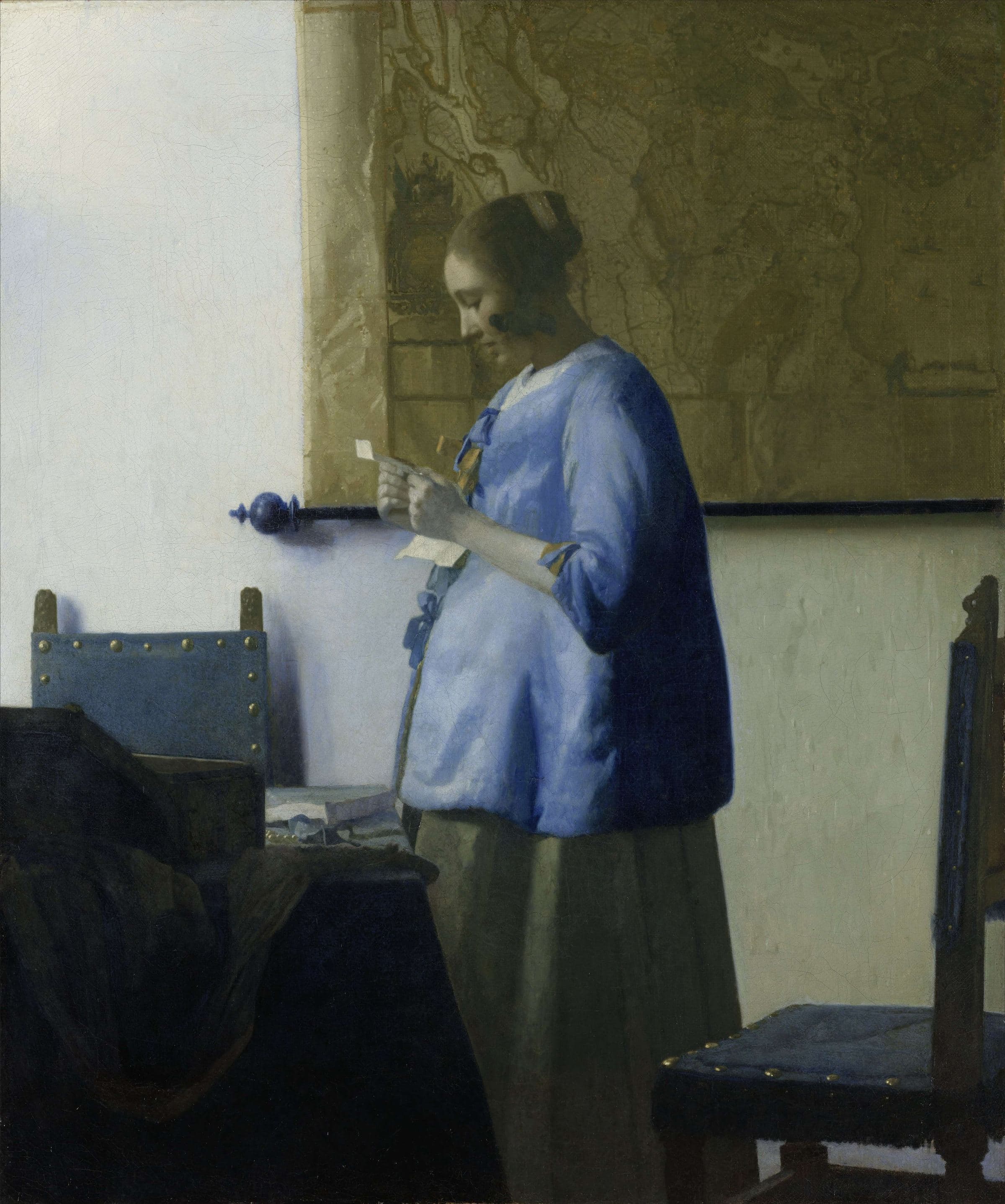
Johannes Vermeer · Woman Reading a Letter, ca. 1662–63 · Rijksmuseum, Amsterdam
The Great Books
The Reading Map
| Title | Author | Grade |
|---|---|---|
| The Republic | Plato | Grade 9 |
| Hamlet | William Shakespeare | Grade 9 |
| Nicomachean Ethics | Aristotle | Grade 10 |
| Confessions | St. Augustine | Grade 10 |
| The Divine Comedy | Dante Alighieri | Grade 11 |
| Paradise Lost | John Milton | Grade 11 |
| The Brothers Karamazov | Fyodor Dostoevsky | Grade 12 |
| Critique of Pure Reason (sel.) | Immanuel Kant | Grade 12 |
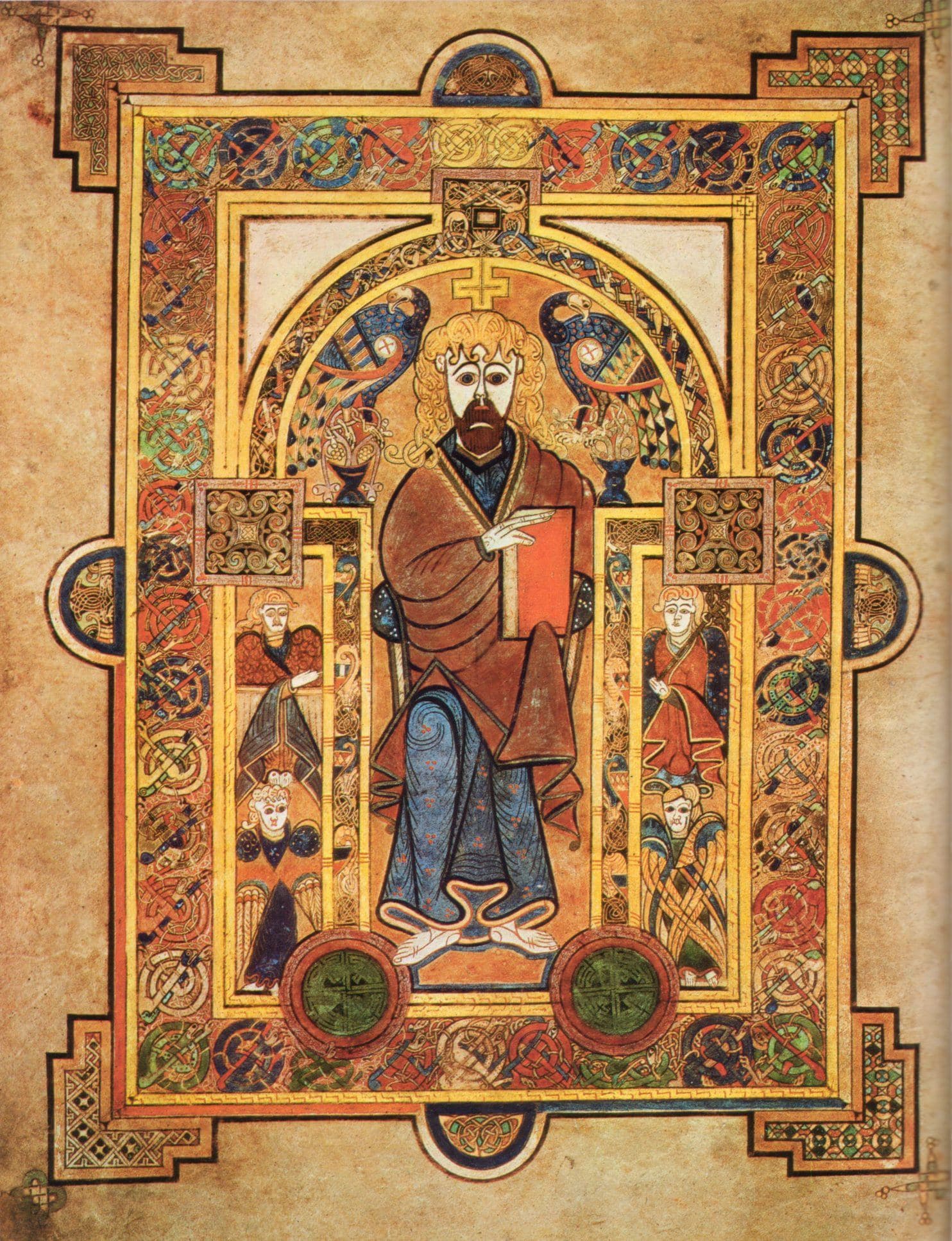
Book of Kells, Folio 32v. Illuminated Gospel manuscript. Iona/Kells, ca. 800 CE.

How We Teach
The Socratic Seminar
At Great Hearts, the primary mode of instruction is not lecture but dialogue. Teachers do not deliver information to passive students — they pose questions, challenge assumptions, and follow the argument wherever it leads. Students learn to read closely, think carefully, and defend their conclusions under pressure.
This method descends directly from Plato's Academy and Aristotle's Lyceum. It is demanding, sometimes uncomfortable, and profoundly effective. Students who have been trained in Socratic dialogue can argue any position, interrogate any claim, and distinguish sophisty from truth.
Primary Texts
Students read original works — Homer, Plato, Dante — not textbook summaries. The encounter is direct.
Socratic Dialogue
Every class is a conversation. The teacher's role is not to lecture but to question, press, and reveal.
Classical Languages
Latin and ancient Greek give students direct access to the texts in their original form — and train the analytical mind.
We do not teach children what to think. We teach them how to think — with Socrates, with Aristotle, with Augustine. The tradition is not a burden. It is a gift.
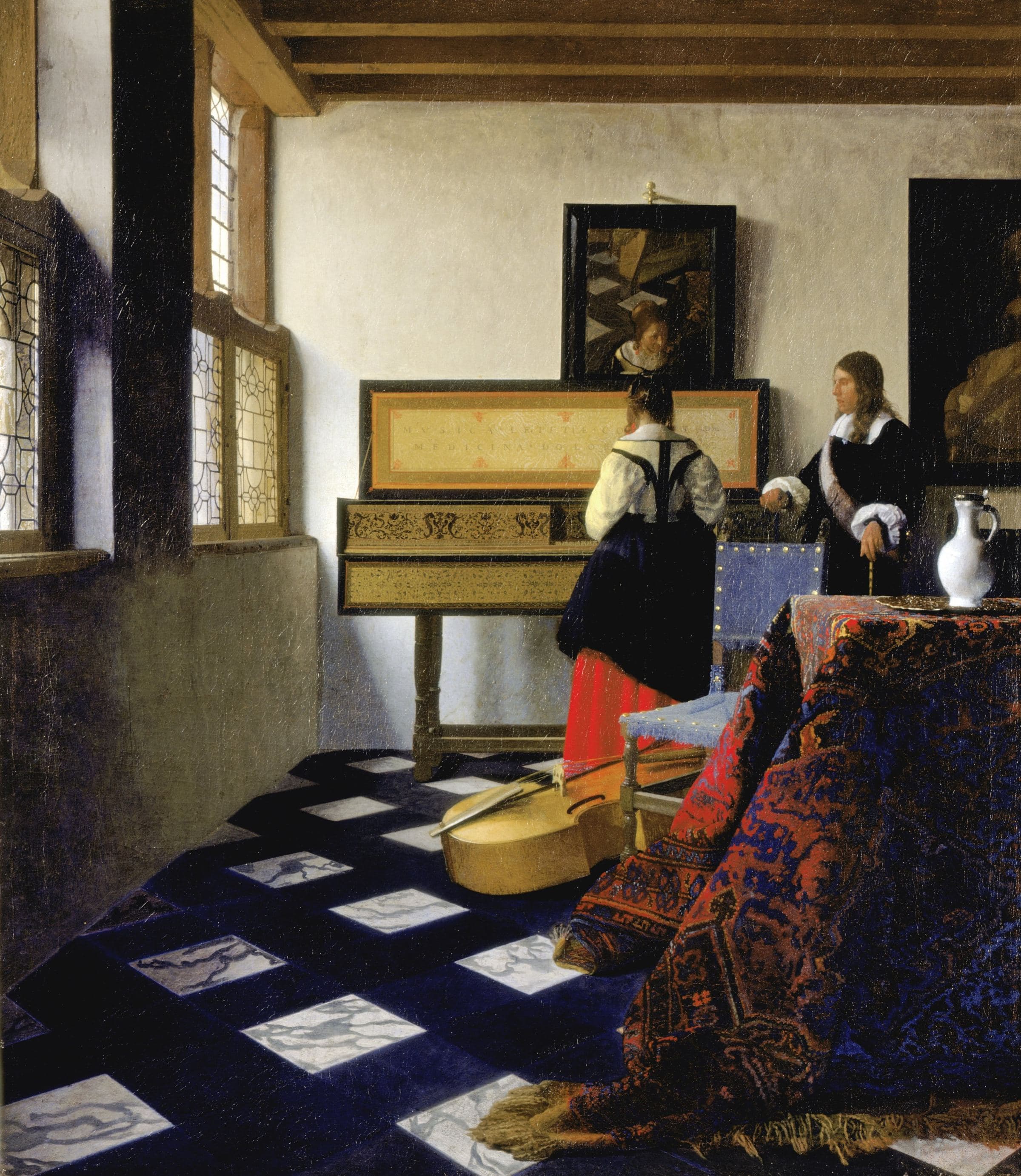
Johannes Vermeer · The Music Lesson, c. 1662–65 · Royal Collection, Windsor Castle